

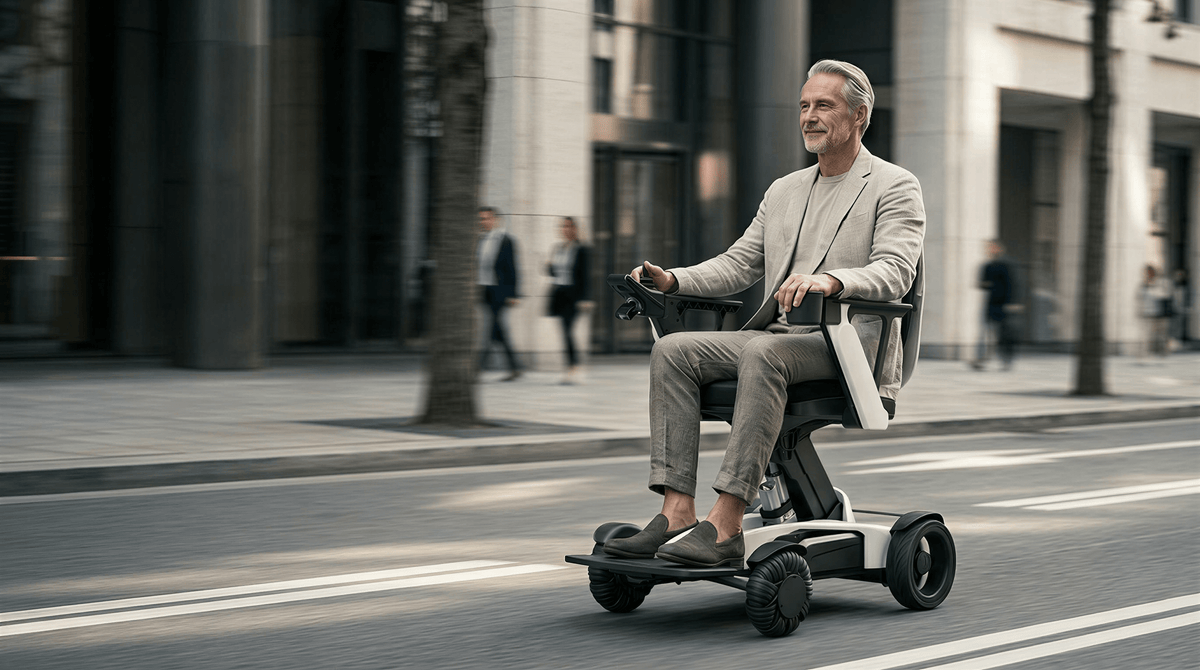
Choosing between a manual chair and an electric wheelchair affects how you move every day. It shapes your independence, energy levels, and safety. You should base your choice on strength, environment, and long-term comfort, not just price.
This guide explains the real differences so you can decide what works best for your life.
How Each Type Works
A manual wheelchair moves with physical effort. You push the rims with your arms or a caregiver assists you. It is simple in design. It has fewer mechanical parts.
An electric wheelchair, also called a power chair electric wheelchair, uses motors and a battery. You control it with a joystick or similar device. It requires little physical effort.
The choice comes down to how much physical work you can handle daily.
Physical Effort and Energy Use
Manual chairs demand upper body strength. You use your shoulders, arms, and hands every time you move. Short distances may feel easy. Long distances cause fatigue.
If you have limited strength, pushing can lead to pain or strain. Over time, this becomes a serious issue.
An electric wheelchair removes most of that effort. You guide it rather than push it. This is helpful if you have reduced endurance, joint issues, or a condition that limits muscle function.
If you want to conserve energy for work, family, or social life, a power chair electric wheelchair often provides a better balance.
Speed and Distance
Manual chairs work well for short trips. Indoors, they are practical. For long outdoor travel, they can be tiring.
An electric wheelchair supports longer distances. Battery range varies by model. Some handle full day use before charging.
If you move around large spaces such as malls, campuses, or outdoor areas, electric mobility gives you more freedom.
Terrain and Environment
Your environment matters more than most people think.
Manual wheelchairs perform best on smooth, flat surfaces. Thick carpets, grass, slopes, and rough pavement require more force. You may need help.
Electric wheelchairs handle varied terrain better. Larger wheels and stronger motors help on inclines and uneven ground.
For urban sidewalks, ramps, and mixed surfaces, the best electric wheelchair for your needs usually includes suspension and solid traction.
Portability and Transport
Manual chairs are lighter. Many fold easily. They fit in car trunks without much effort.
Electric models are heavier. However, many modern designs are now an electric folding wheelchair type. These fold for transport and storage. Some are built as travel models.
If you travel often, a compact electric folding wheelchair can balance mobility and portability. Always check weight and folded size.
Independence and Daily Control
Independence is a major factor.
With a manual chair, independence depends on your strength. On slopes or long distances, you may need assistance.
With an electric wheelchair, you move without pushing. You control speed and direction precisely. This supports daily independence, especially in larger environments.
For many users, this shift changes how much they participate in work and social life.
Cost and Maintenance
Manual wheelchairs usually cost less upfront. They also have lower maintenance needs. Fewer electronics means fewer repair points.
An electric wheelchair for sale comes at a higher price. It includes motors, batteries, and control systems. Maintenance and battery replacement add long term costs.
However, value matters more than price alone. If electric mobility prevents physical strain and increases independence, the investment can be justified.
Legal and Safety Considerations
In many regions, a person operating a manual or electric wheelchair is considered a pedestrian under traffic laws. This affects how you use sidewalks and crossings.
Still, safety practices differ. Electric chairs move faster and weigh more. You must control speed near people and tight areas.
Manual chairs require more caution on slopes because braking depends on hand control.
Understanding that a person operating a manual or electric wheelchair is part of pedestrian traffic helps you plan safe movement in public areas.
Comfort and Long-Term Health
Comfort affects your health more than most people expect. You may spend many hours each day seated. Poor support leads to pain, fatigue, and medical issues over time.
A manual wheelchair often has a simpler seating system. Cushion quality varies. Basic sling seats can cause posture problems if used for long periods. You may lean forward or to one side without noticing. This strains your back and shoulders.
An electric wheelchair usually offers better seating options. Many power chair electric wheelchair models include adjustable backrests, thicker cushions, and positioning support. These features help you maintain a neutral posture. Good posture reduces pressure points and muscle strain.
Pressure management is critical. Sitting too long without proper support can reduce circulation and increase the risk of pressure injuries. A well fitted cushion spreads weight evenly. This is especially important if you have limited sensation or mobility.
When a Manual Wheelchair Makes Sense
A manual chair may be right if:
You have strong upper body function
You travel short distances
You need a lightweight option
You want lower upfront cost
You have frequent caregiver assistance
It works well in small indoor environments.
When an Electric Wheelchair Is the Better Choice
An electric wheelchair is often better if:
You experience fatigue easily
You travel long distances
You move across varied terrain
You want greater daily independence
You need to reduce strain on shoulders and arms
In these cases, the best electric wheelchair supports long term mobility and health.
Making the Final Decision
You should assess strength, environment, and lifestyle first. Do not choose based only on appearance or price.
Test chairs if possible. Check turning radius, comfort, and control. Compare weight, range, and terrain ability.
Both options serve different needs. The right one matches your physical ability and daily routine.
Conclusion
Your choice between a manual chair and an electric wheelchair should come down to one thing. How well it supports your daily life. Comfort, terrain performance, energy use, and long term health all matter more than appearance or price alone. When you choose mobility equipment that matches your routine, you move with less strain and more confidence.
If you are ready to improve how you travel, work, and live each day, explore modern electric wheelchair options designed for real world use. Reliable performance, foldable designs, and user focused features make today’s models more practical than ever. You can review available models and features at Tivaro to find a solution that fits your environment and mobility needs. The right chair does not just move you. It supports your independence every day.
Share:
What to Consider When Buying an Electric Wheelchair?
Key Features to Look for in a Lightweight Electric Wheelchair